Enter the world of the Canyon Song Series—three books about music, belonging, and the courage to stay in the room.
Search the manuscripts and prepared reading guide. Introductory excerpts and spoiler-light guide notes only.
Try a question
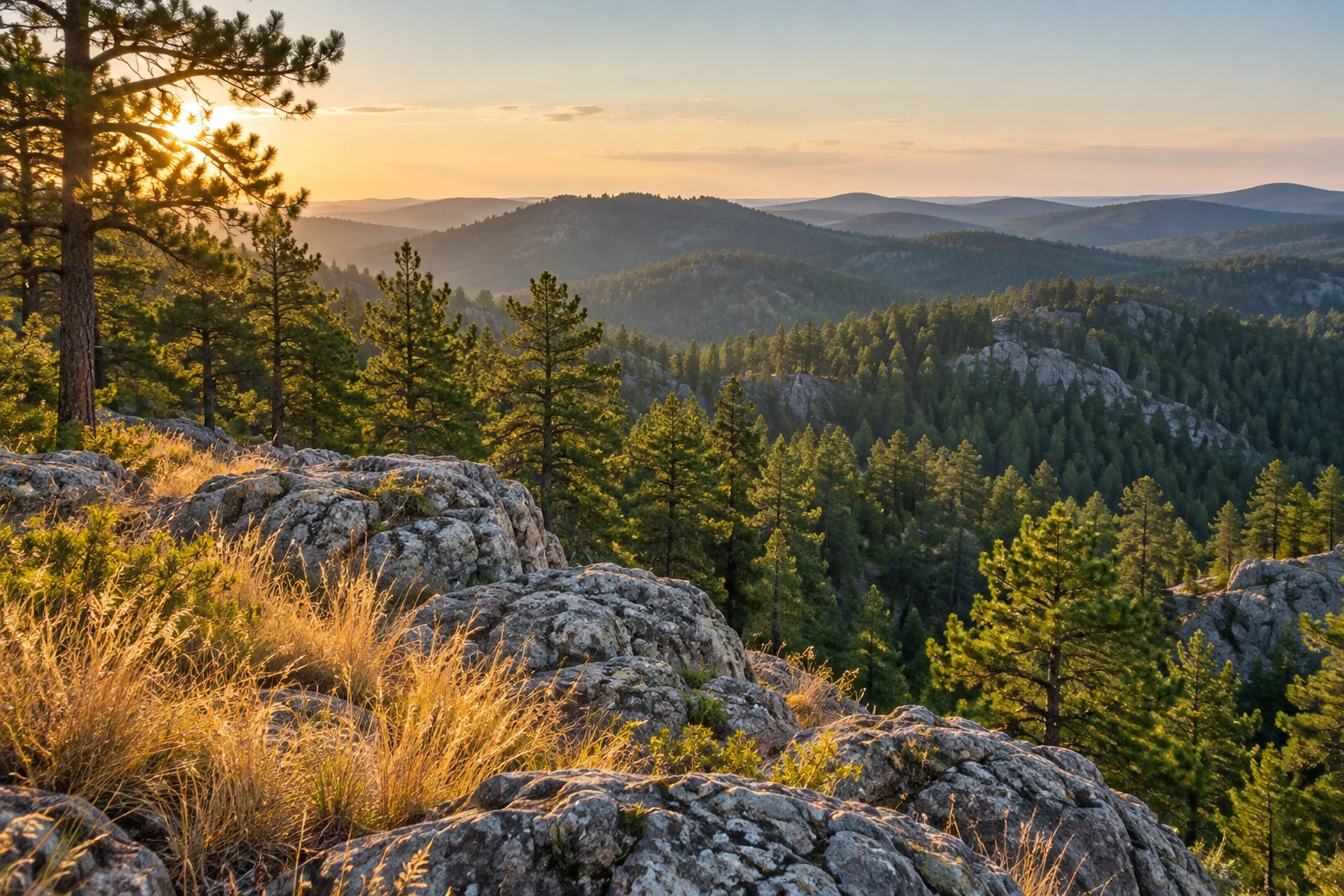
AUBREY’S CABINAbove the town. Within the story.Ponderosa pine country
BEGIN HERE
Follow the songs.
Read in this order. Each book widens the circle.
BOOK 01 · 21 CHAPTERS
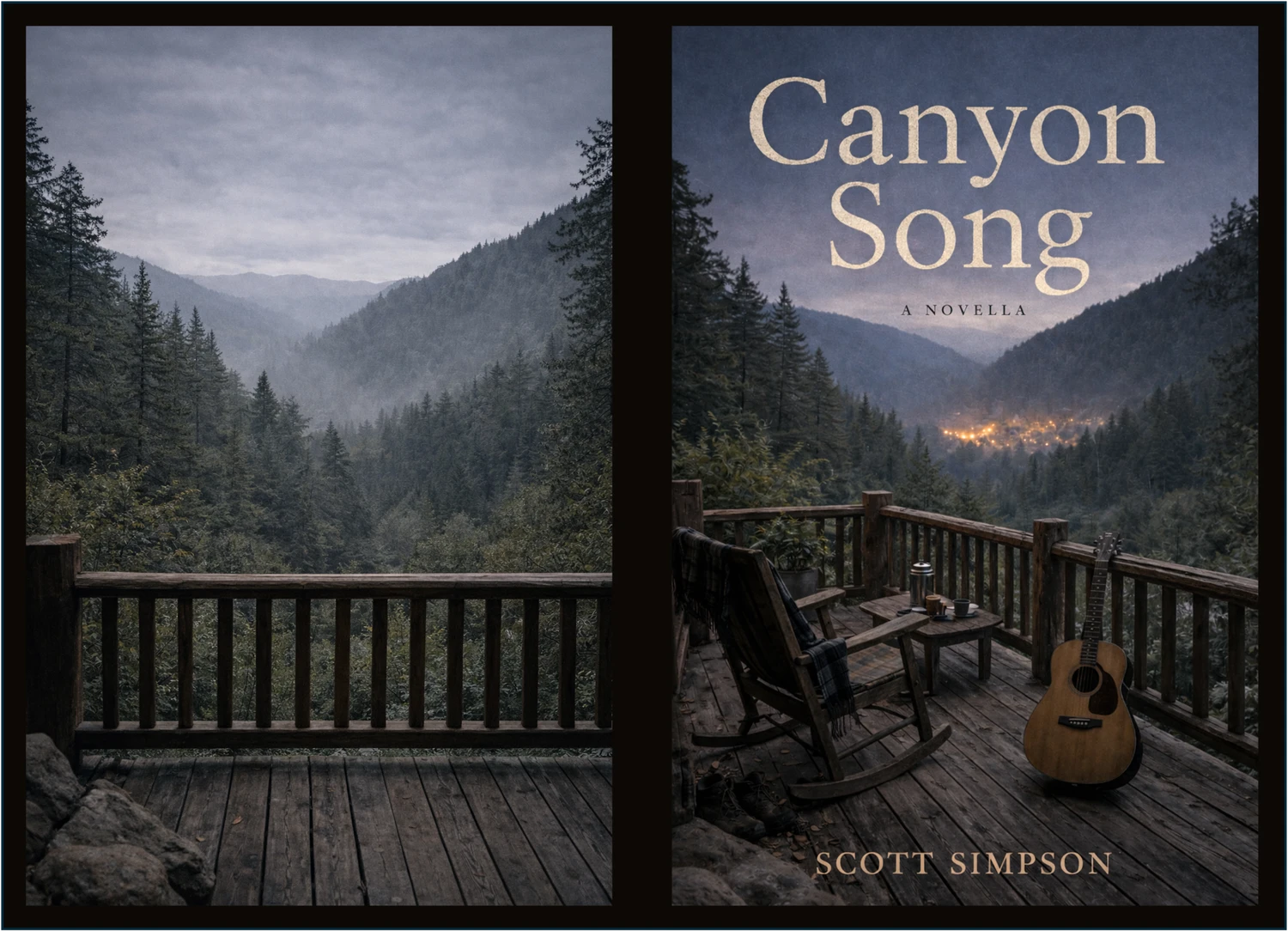
Canyon Song
A voice finding its way home
Living above the town he once served as a minister, Aubrey Larkin writes commissioned songs for other people’s lives. When those private stories begin gathering on a community theater stage, he must decide whether he can enter the room himself.
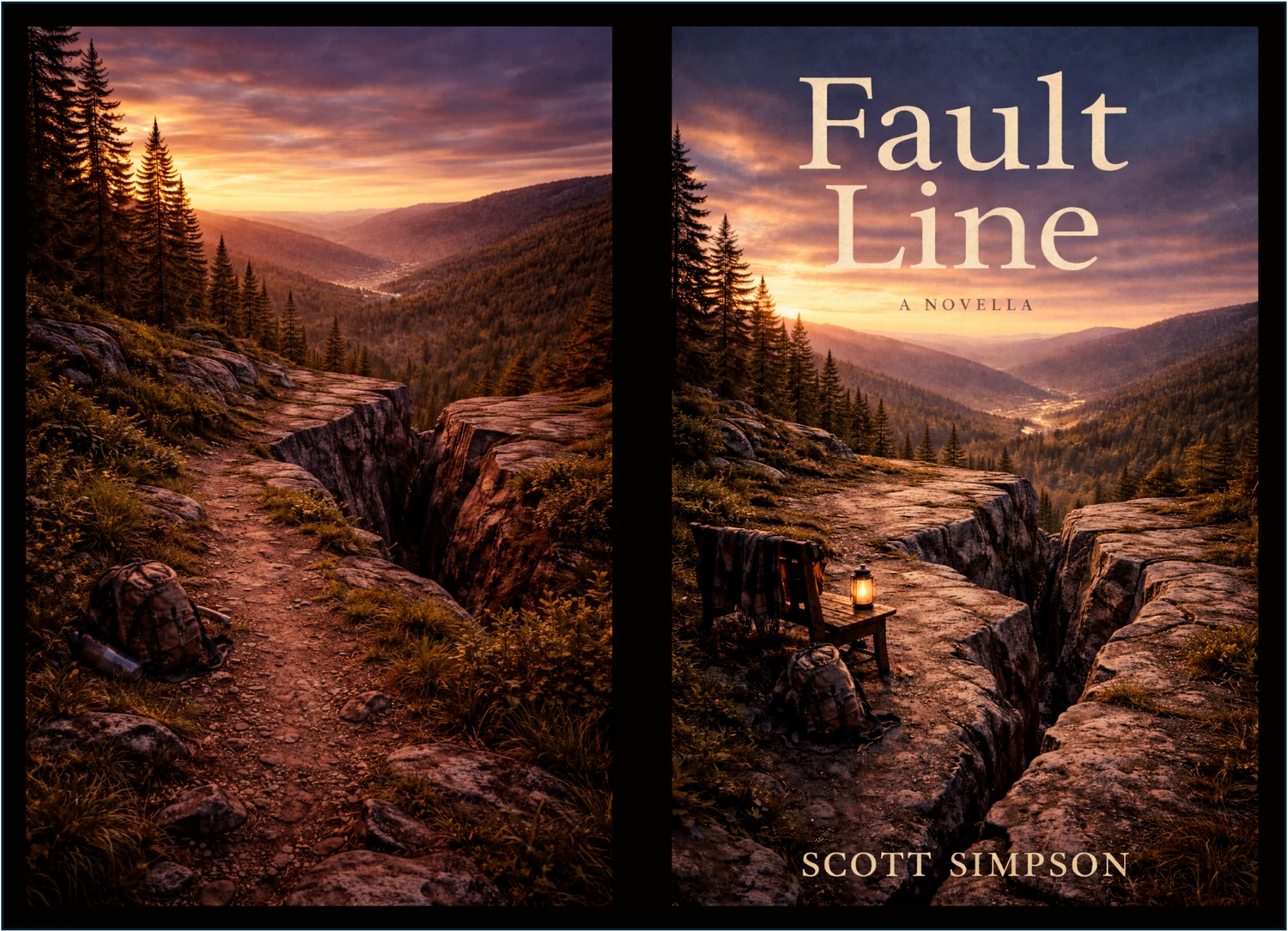
A former church elder comes to Aubrey with a song request he can barely explain. His daughter has come out, and the convictions he has relied on now threaten the relationship he most wants to keep.
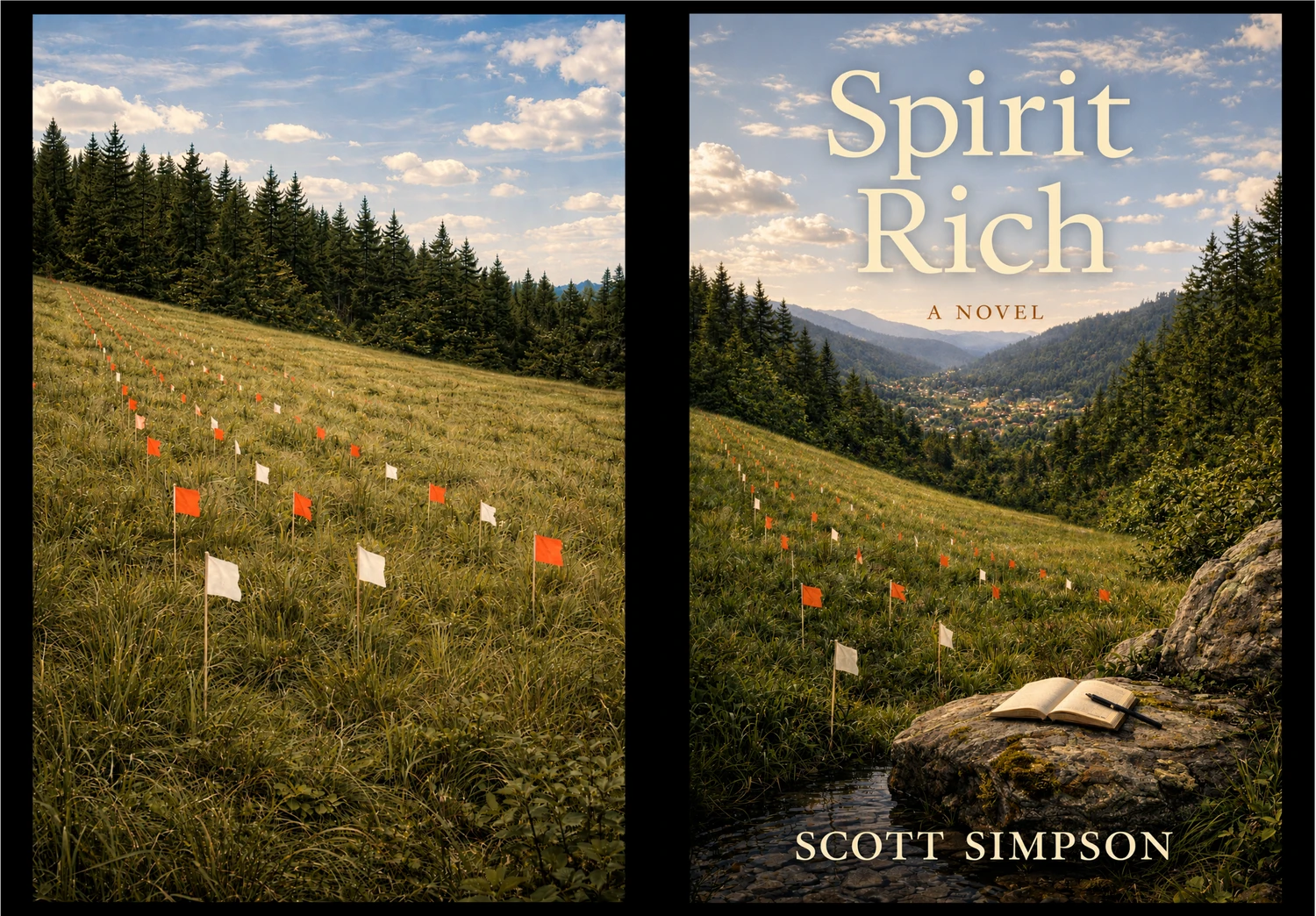
A teenager asks Aubrey for a protest song about a proposed mining project. The developer is his father. As the song takes shape, Lakota voices challenge Aubrey to listen to a history he has not yet heard.
Characters, conflicts, and recurring images. Follow a thread through the books.
All three books · Spoiler-light
READER’S NOTE
Listening is the series’ recurring discipline. Aubrey listens to the particularity of a person’s story before composing a song. The same practice becomes a way of entering difficult family relationships and, later, a contested landscape. One useful reading is that listening changes the listener’s responsibilities; it is more demanding than simply waiting to speak.
READER’S NOTE
The books repeatedly place inherited certainty beside lived relationships. Aubrey’s religious history and Daniel’s family crisis ask what happens when a familiar conviction ceases to function as care. The tension is not erased by a tidy declaration: the characters must learn how to remain present while questions persist.
READER’S NOTE
A commission gives someone a way to say what ordinary speech cannot quite carry. The songs hold gratitude, grief, love, and conflict, while Aubrey’s choices about key, breath, arrangement, and vocal roughness make that listening audible. Music is both his livelihood and the series’ means of bringing one life into another person’s hearing.
READER’S NOTE
Aubrey’s work draws him toward a different kind of participation: staying in a difficult room without controlling what it becomes. In the theater, the family encounters, and the canyon debate, silence can make room for others. As an interpretation, the series treats presence as an active practice rather than a guarantee of agreement.
READER’S NOTE
Spirit Rich asks what a place is worth and who has been included in that question. The language of resources and economic survival encounters water, memory, relationship, and Lakota histories. The story invites a reading of belonging as responsibility to a place and its people, rather than ownership alone.
READER’S NOTE
The books locate grief in concrete memories: work-worn hands, a kitchen kept going, a remembered place in the canyon. Rather than making loss yield a lesson immediately, songs and relationships give it a form that others can hear. Joey’s memorial commission and Eli’s connection to the canyon are two routes into this theme.
Chapter directory 68 chapters across three books
Chapter titles beyond the opening are hidden in spoiler-light mode.
Water moving quietly through stone
THE AUTHOR
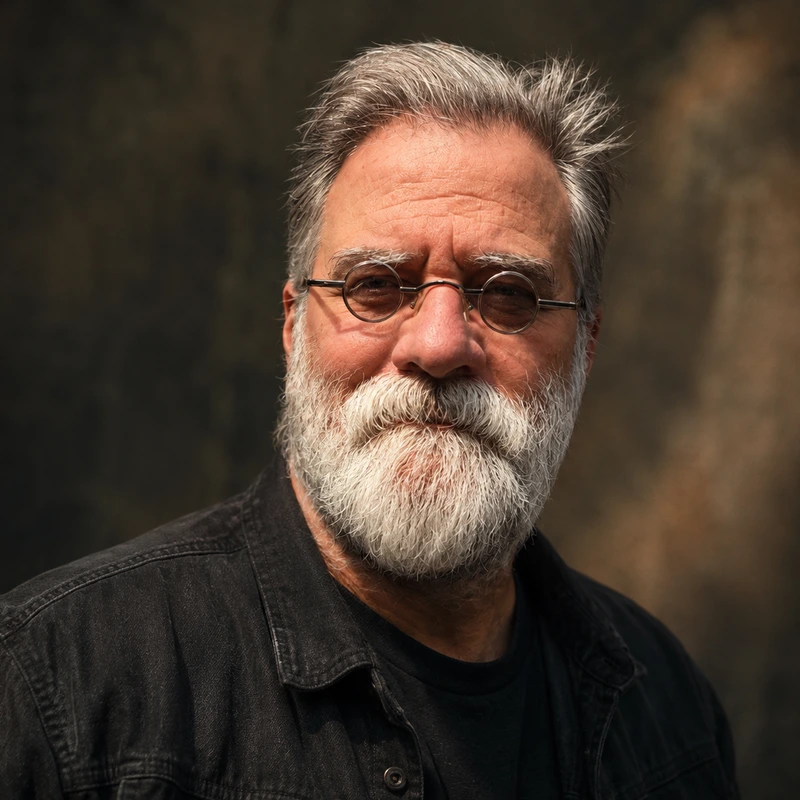
Scott Simpson
Writer. Poet. Songwriter. Black Hills, South Dakota.
The Canyon Song series brings music and story into the same room. Its questions move from one person’s voice to family relationships, community, and the land that holds them.
This companion draws on the supplied manuscripts of Canyon Song, Fault Line, and Spirit Rich. Chapter references follow those versions; published editions may differ. Literary readings are offered as interpretations. The Lakota characters and their words belong to this fictional narrative.